How AI Is Transforming the UX Design Workflow
1. AI in UX Research: Faster Insights, Smarter Decisions
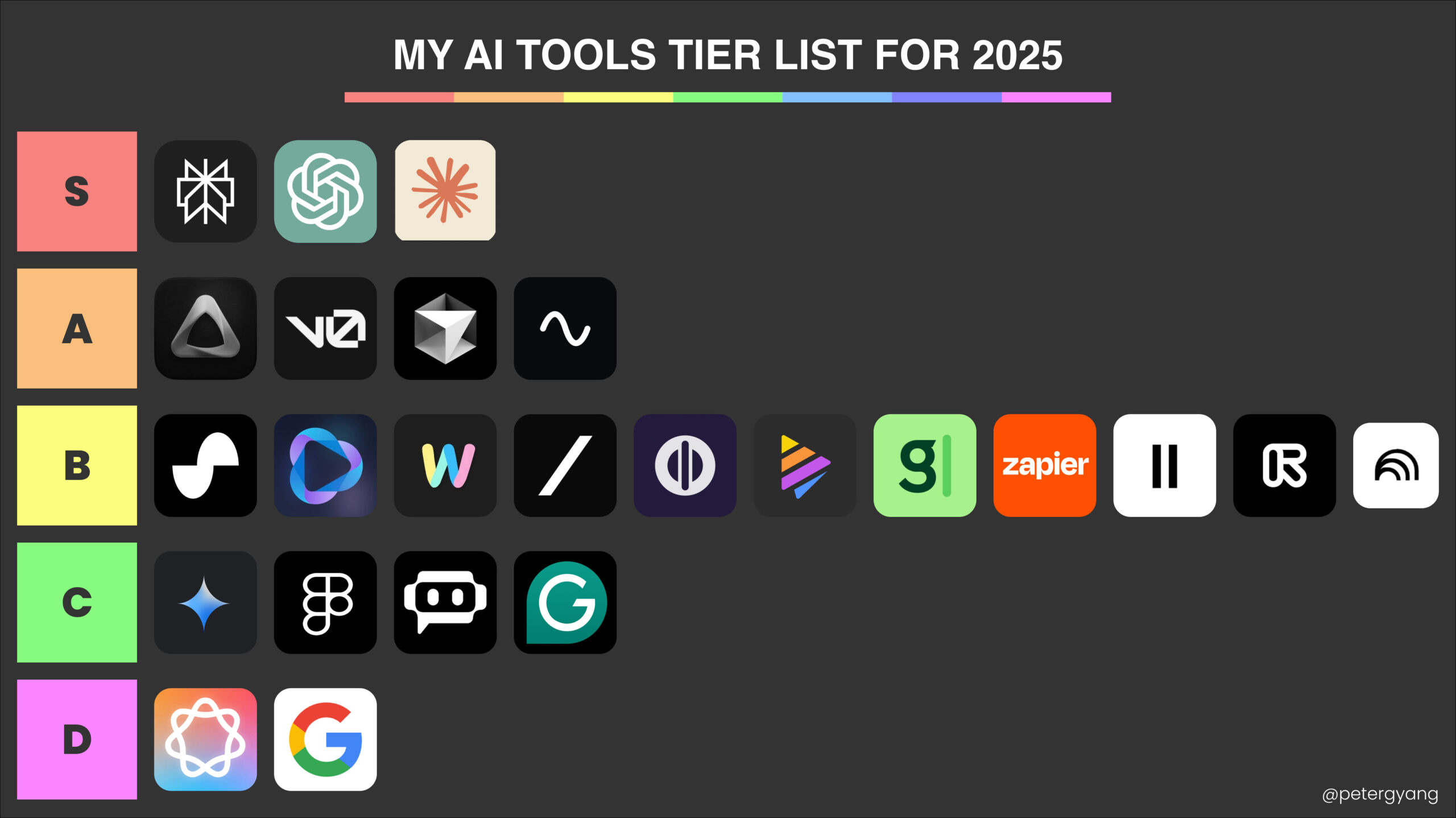
User research is the foundation of good UX, but it’s often time-consuming. AI-powered tools are now simplifying this process by analyzing large volumes of data in minutes. ChatGPT are widely used in UX research and ideation https://openai.com.
AI Is Transforming the UX Design Research Process
How AI helps: Automatically analyzes user behavior from heatmaps and session analytics Summarizes interview transcripts and survey responses Identifies patterns, pain points, and user segments Predicts user needs based on historical dataImpact:
Designers spend less time crunching data and more time interpreting insights and solving real user problems.
2. AI in Ideation: Boosting Creativity, Not Replacing It
Ideation thrives on exploration, and AI accelerates this by acting as a creative partner.
AI Is Transforming the UX Design Ideation Phase
How AI helps: Generates UX copy, headlines, and micro-interactions Suggests layout ideas and content structures Helps brainstorm flows, features, and user journeys Provides inspiration based on design trends and best practicesImpact:
Designers spend less time crunching data and more time interpreting insights and solving real user problems.
3. AI in Prototyping: From Idea to Interface, Faster
Prototyping traditionally requires manual effort, but AI-powered design tools are speeding up the transition from concept to clickable UI.
AI Is Transforming the UX Design Prototyping Stage
How AI helps: Converts text prompts or wireframes into UI designs Auto-generates components, layouts, and design systems Suggests spacing, color combinations, and typography Improves accessibility by flagging contrast or usability issuesImpact:
Designers can prototype faster, test earlier, and iterate more frequently—leading to better user experiences with fewer revisions..
4. AI in Personalization: Designing for Every User.
Personalization is becoming a standard in UX, and AI makes it scalable. AI is transforming the UX design by enabling designers to focus more on strategy, user empathy, and experience innovation instead of repetitive tasks.
How AI helps:
Adapts content, layouts, and recommendations in real time
Creates personalized user journeys based on behavior and preferences
Optimizes onboarding flows for different user types
Tests and refines experiences using predictive models
Impact:
Users receive experiences that feel relevant and intuitive, increasing engagement, satisfaction, and retention.
5. The Role of the UX Designer in an AI-Driven World
While AI automates repetitive tasks, the designer’s role becomes even more strategic. Figma AI helps designers accelerate UI and prototyping workflows https://www.figma.com
Designers focus more on:
Empathy and human-centered problem-solving.
Ethical design and responsible AI usage
Defining meaningful experiences beyond data
Making final creative and usability decisions
AI handles speed and scale—designers handle purpose and emotion.
Conclusion
AI tools like ChatGPT and Figma AI are transforming UX workflows by accelerating research, enhancing ideation, speeding up prototyping, and enabling scalable personalization.
The future of UX design isn’t about replacing designers—it’s about empowering them. Designers who learn to collaborate with AI will create more impactful, efficient, and human-centered experiences.
The future of UX design isn’t about replacing designers—it’s about empowering them. Designers who learn to collaborate with AI will create more impactful, efficient, and human-centered experiences.
[wpcode id=”14017″]